
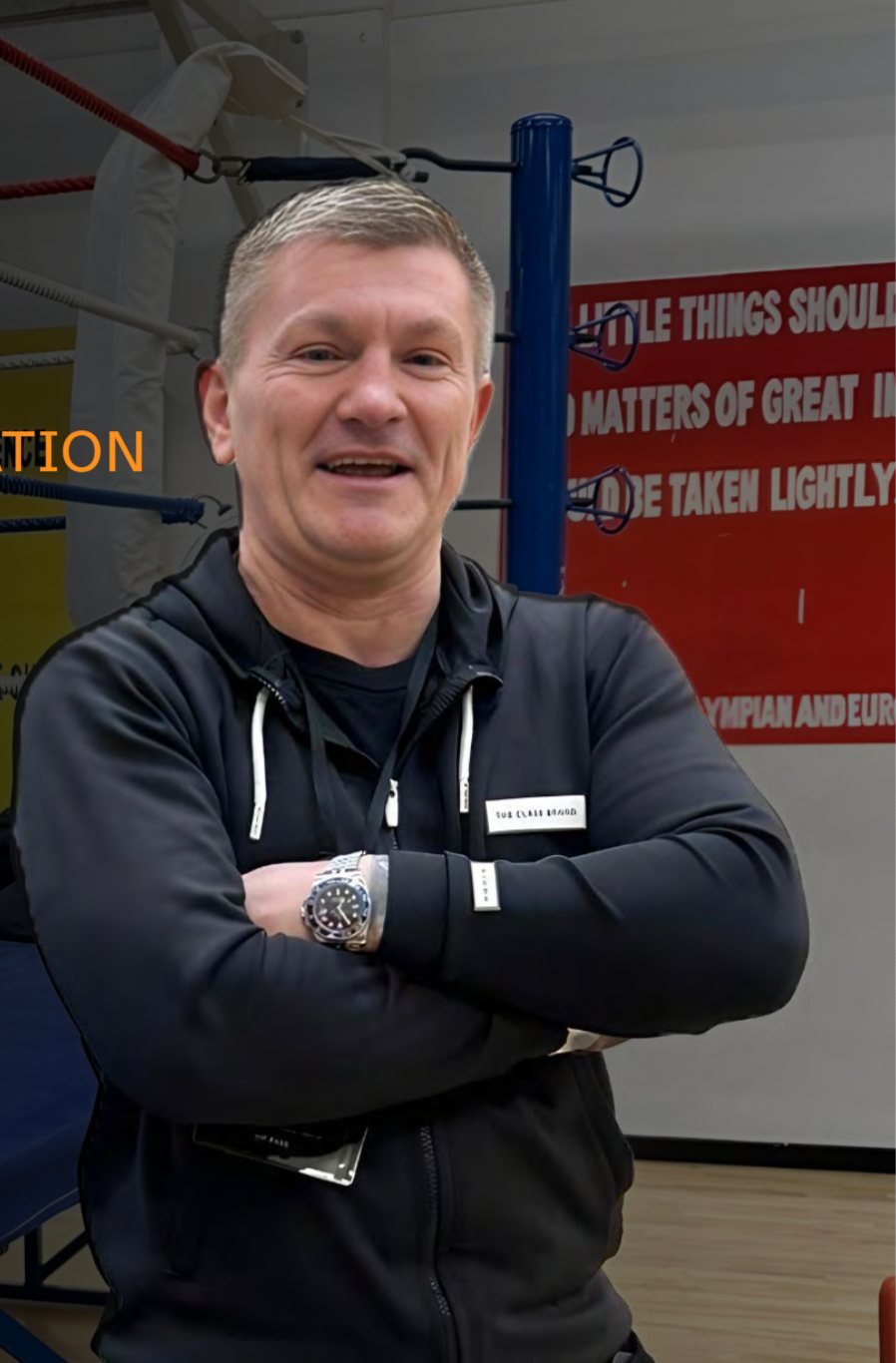
Over the past few weeks, the Ricky Hatton Foundation has continued to gather real momentum. Everything it does is guided by the values Ricky represented throughout his life: honesty, resilience, kindness and community.
Building it the right way
Although still early in its journey, the Foundation’s focus has always been on building properly. Before launching large-scale fundraising, it has been establishing strong governance, developing meaningful partnerships and creating projects that will genuinely make a difference to people’s lives.
A free Mental Health First Aid course
One of the biggest priorities has been practical support people can actually use. The Foundation’s first major educational initiative, a free Mental Health First Aid course, is launching soon. Developed with experienced professionals, it will give people the confidence to recognise when someone may be struggling, start supportive conversations and signpost them to further help. Most importantly, it will be free to everyone.
The Foundation is also building relationships across sport, business and mental health, bringing together people who share the same ambition: that nobody should face life’s toughest moments alone.
What strength really looks like
The response so far has been overwhelming. Social media content has reached millions of people. But what matters most are the messages from people sharing their own experiences, or thanking the Foundation for helping start conversations they previously felt unable to have.
We often misunderstand what strength really looks like. We associate it with winning, providing, leading and never showing weakness. In reality, true strength is often found in the moments nobody else sees: admitting you’re struggling, asking for help or telling someone, “I’m not okay.”
Mental health doesn’t discriminate. It affects world champions, business owners, teachers, parents, young people and retirees alike. Success offers no immunity from anxiety, depression or loneliness.
One of the reasons Ricky connected with so many people was his honesty. He showed that even someone who had fought in the biggest arenas could still face battles away from the spotlight. That honesty continues to inspire everything the Foundation does.
Check in with someone this month
Send the message. Make the phone call. Arrange the coffee. You never know what someone may be carrying behind the smile they show the world.
“Ricky’s legacy was never just about what he achieved inside the ring. It was about the way he made people feel. If we can help just one more person find hope, support or the confidence to ask for help, we’ll know we’re moving in the right direction.”
Workplace prevention: early warning signs
Most workplace initiatives react only when a colleague breaks. Many men never reach that point visibly; they carry the weight, keep going and try not to become a burden. Pain shows up in workplace behaviour long before it shows up in conversation. Watch for:
- Presenteeism and overworking: uncharacteristically long hours.
- Behavioural shifts: more irritability, frustration or less patience.
- Disconnection: gradual withdrawal from team culture, meetings and social interaction.
- Performance drift: becoming quieter, distracted or less like themselves.
Shift the question. Stop asking “Why didn’t he ask for help?” Start asking “Are the signs already there?”
rickyhattonfoundation.com · Instagram: @rickyhattonfoundation
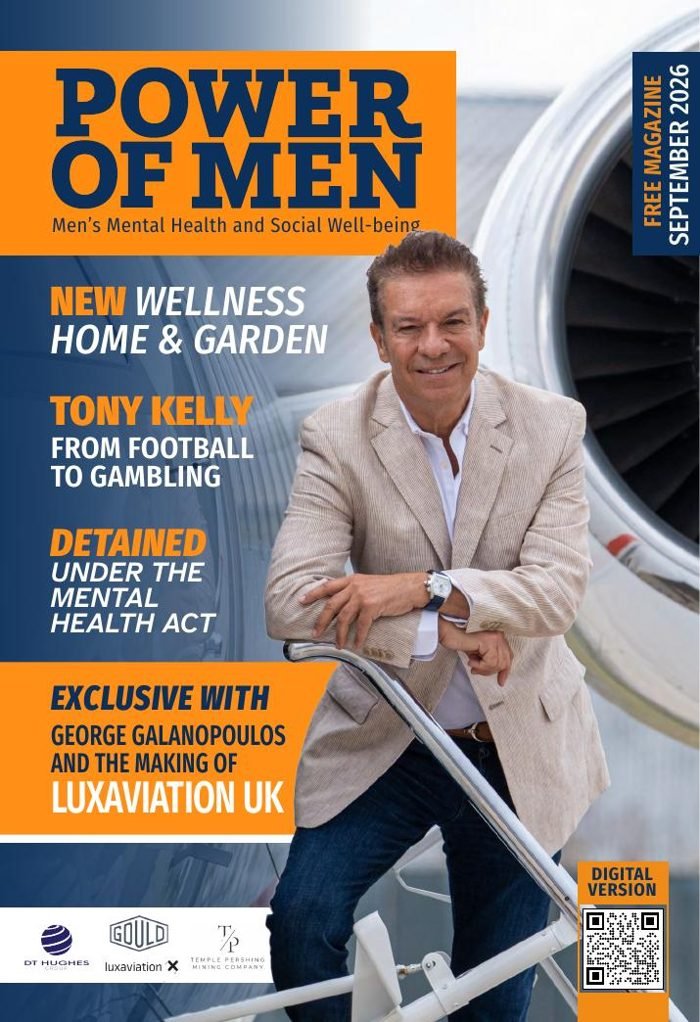
From the September 2026 issue of Power of Men, pages 42 to 43.
Need to talk?
Samaritans: 116 123, free, any time
Text SHOUT to 85258
NHS: 111
Emergency: 999
The Power of Men Advisory Board consists of a multi-disciplinary panel of experts in psychology, physical health, and accessibility design, ensuring every article is grounded in clinical evidence and neuro-inclusive standards. Meet the Advisory Board.
Need to talk?
Samaritans: 116 123, free, any time
Text SHOUT to 85258
NHS: 111
Emergency: 999
Get the monthly briefing