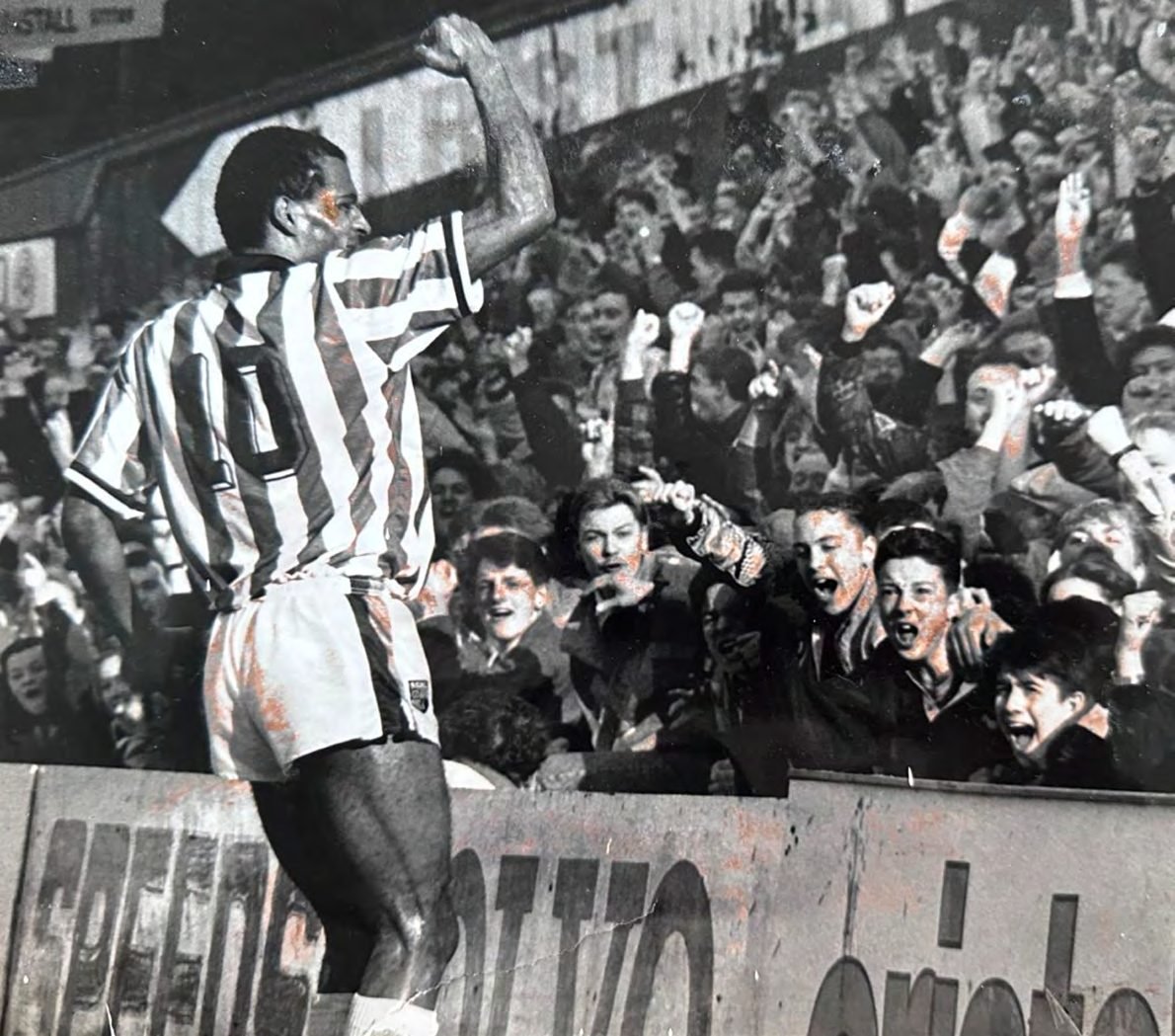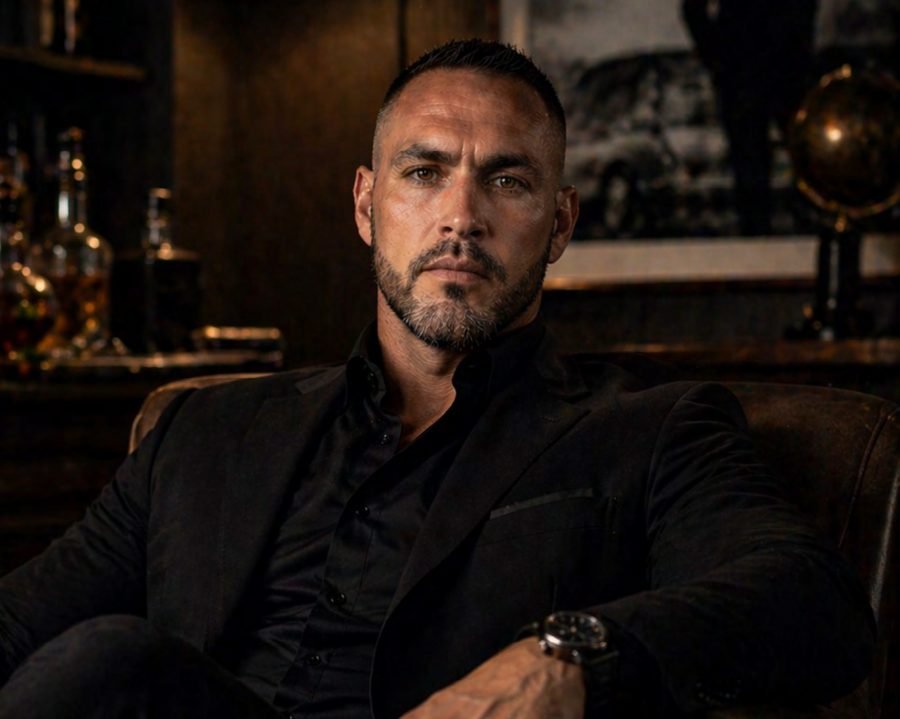

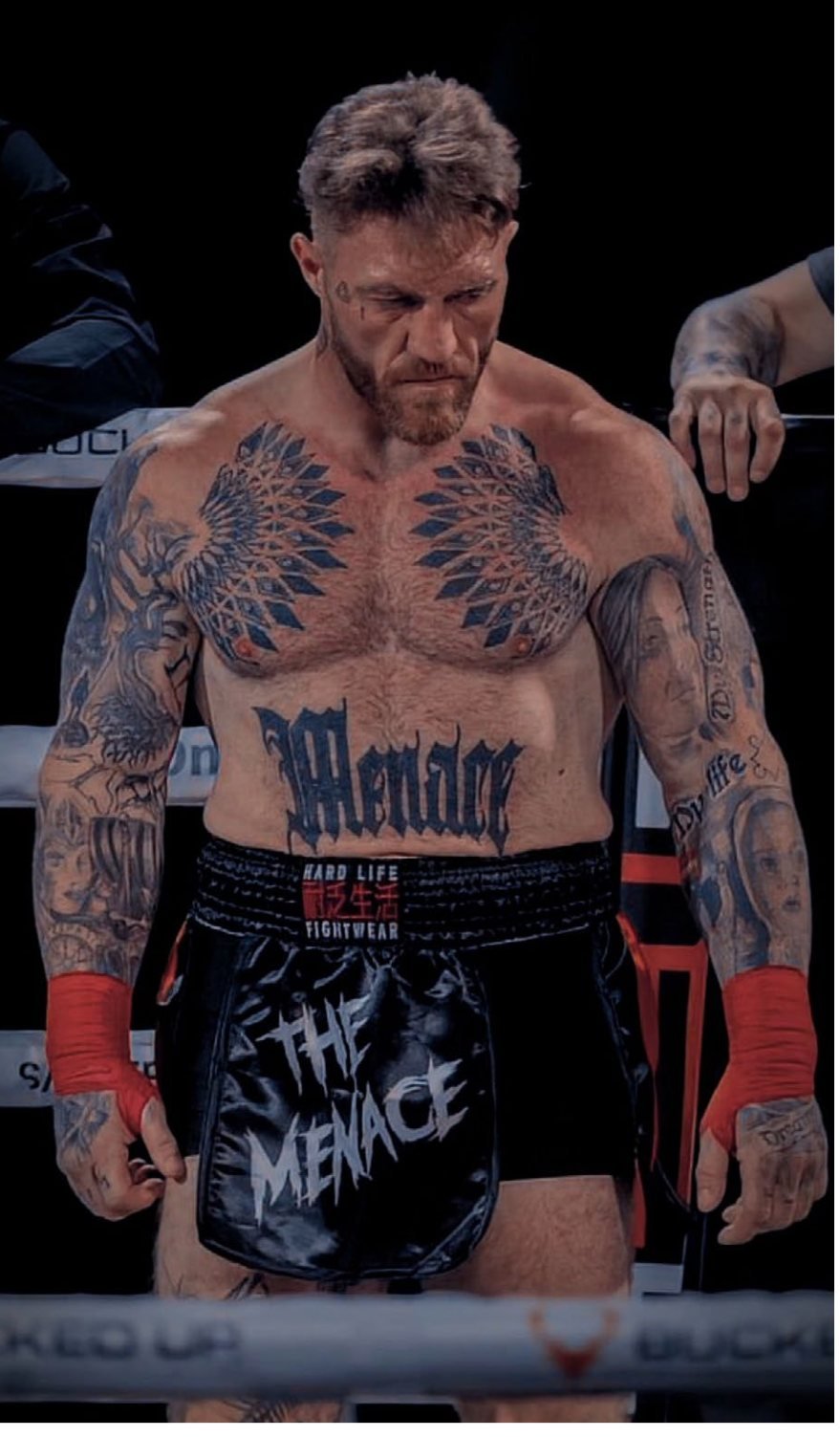
Paul Venis is a feared bare-knuckle fighter with more than 30 K1 kickboxing bouts and almost as many knockouts. He has been crowned British, European and World Champion across combat sports. But behind the titles is a story more brutal than anything he’s faced in the ring.
“Wherever I am today is because of what I’ve overcome: the trauma, the mental health problems, the stuff that nearly killed me or put me in prison. I overcame that with determination, drive and a strong personality.”
A childhood shaped by violence and loss
“I was badly beaten as a kid by older lads. I also found my auntie dead from a heroin overdose when I was a young child. That left a scar on me that never went away.
“By secondary school, I realised I was big, strong and capable. But because of everything I’d been through, I’d lost touch with my conscience. I thought I was taking control. I wasn’t going to be bullied any more. So I became the bully.” By 16, he was heavily involved in crime, violence and reputation.
Addiction and losing touch with reality
“I’d always struggled with obsessive, addictive thinking. Then the drugs came: cocaine, crack, weed, tablets, amphetamines. By 19, I was using constantly. Everything I’d buried came to the front of my mind. I was losing touch with reality, and I was being sectioned.”
At 21, he reached breaking point and tried to take his own life. “I was sick of hurting everyone. I thought ending it was the only way out. I still don’t know how I survived.”
Prison: the turning point
Not long after, he was jailed for just under five years for firearms offences. “Prison is what turned my life around. I had time to think about who I’d become. I didn’t like myself. But I realised I wasn’t a bad person; I was struggling with mental health and addiction.”
Inside, he joined Narcotics Anonymous, worked the 12-step programme and asked to go on a therapeutic wing. “There are more drugs in prison than on the outside, but I chose recovery.” And prison being easy for someone like him scared him: “I had a wife and kids on the outside. I could’ve stayed in there forever, and that terrified me.”
Fighting with a clear head
“I walked into a gym clean, sober, no ego, with a different mind and a different heart. I realised I was made to be a fighter, but now I could control it. Fighting gave me structure, purpose and discipline. It saved my life.”
He says fighting is misunderstood: “Street toughness is a fantasy. Real fighting is skill, repetition and intelligence; it’s controlled chaos.” The mental battle never disappears: after fights, the adrenaline wears off and he crashes and second-guesses himself. “The difference now is control.”
A daily routine
“I pray, meditate and write a gratitude list: ten things I’m grateful for, including things about myself. Mental health destroys self-worth. Gratitude equals peace, and peace equals humility. That routine saves me every day.”
Giving back
“Too many lads come out of prison with £90 and nowhere to go. We want to offer structure, gyms, talks and accountability, not handouts. I’ve been addicted, sectioned and imprisoned. I know what it takes to survive.”
“I can look in the mirror now and know I’m a good man. Fighting didn’t just make me a champion. It set me free.”
Instagram: @paulvenisofficial22
From the February 2026 issue of Power of Men, pages 56 to 57.
Need to talk?
Drugs: Narcotics Anonymous 0300 999 1212
Samaritans: 116 123, free, any time
Text SHOUT to 85258
NHS: 111
Emergency: 999
The Power of Men Advisory Board consists of a multi-disciplinary panel of experts in psychology, physical health, and accessibility design, ensuring every article is grounded in clinical evidence and neuro-inclusive standards. Meet the Advisory Board.
Need to talk?
Samaritans: 116 123, free, any time
Text SHOUT to 85258
NHS: 111
Emergency: 999
Get the monthly briefing