Exclusive interview: former SAS patrol commander Melvyn Downes
One of the first British-born Black men to serve in the SAS on why mental pressure is harder than physical pain, life after the military and what being “unbreakable” really means.

By Power of Men editorial team
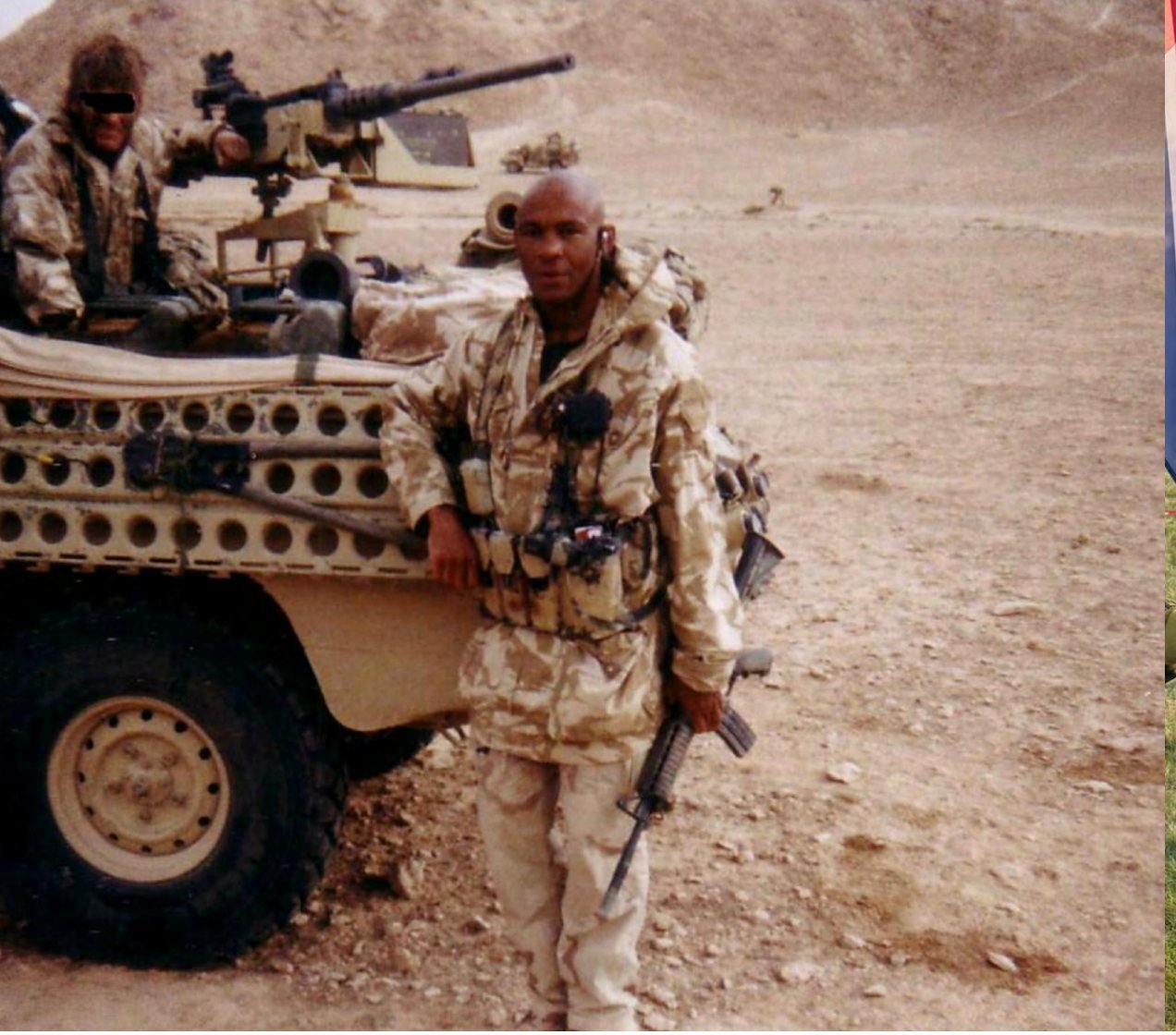
Author of Unbreakable and a member of the directing staff on Channel 4’s SAS: Who Dares Wins, Melvyn Downes has operated in some of the world’s most hostile environments, faced extreme physical and mental challenges and built a career around resilience, leadership and survival. Here he opens up about SAS selection, mental toughness and life after the military.
Aiming for the very top
You became one of the first British-born Black men to serve in the SAS. What inspired you to join?
“I’ve always wanted to join the military. Even as a young kid, I remember watching Trooping the Colour when I was about five, and something really inspired me. I’ve always believed that whatever you choose to do in life, you should aim for the very top. The SAS is often described as the tip of the spear. I wanted to reach the highest level possible, and that’s why I challenged myself to get there.”
Mind over body
Which is harder to endure: physical pain or mental torture?
“I would say the mental pressure is actually harder. You can prepare physically: train, get fitter and stronger. Selection is designed to push you beyond your limits, but you can at least train for it.
“The mental side is much harder to prepare for. When you’re operating on very little food, almost no sleep for days on end, surrounded by constant noise and pressure, your mind starts to play tricks on you. You can become exhausted, disoriented and even begin hallucinating. That mental battle was the toughest part of selection.”
Life after the regiment
After the SAS you protected media teams in hostile environments. Did that help the transition?
“Yes, definitely. I was still working alongside SAS guys from my squadron, in civilian clothes, doing security in hostile environments. Instead of being on the offensive, we were on the defensive, getting media teams safely into dangerous areas to report and back out again.” He did that for around four years, then spent another 12 years training Special Forces personnel in the UAE.
Do you still find it hard to switch off from survival mode?
“Whenever I’m in a pub, a shop, on a train or on a plane, I’m always aware of my surroundings. I automatically look for exits and maintain a high level of situational awareness. It’s just become part of who I am. Being out in nature with my dog is probably one of the few places where my mind is at its most relaxed. That’s where I find my peace.”
SAS: Who Dares Wins
How realistic is the programme?
“To be completely honest, it’s nothing like real SAS training. The realistic part is that recruits are taken back to basics, stripped of everyday comforts and put in a simple environment where discipline, teamwork and resilience matter. It does push people, but compared with genuine selection it’s a small taste. If I had to put a figure on it, about five per cent of the real experience.”
What “unbreakable” means
“Life knocks all of us down at some point. Everybody experiences challenges, setbacks, grief and difficult times. There are moments when it feels like life is beating you and you’re breaking.
“But being unbreakable doesn’t mean you never struggle. It means having the resilience to keep going, and eventually you will come through the other side. Sometimes it takes time, patience and determination, but you will get there.”
A message to veterans
“When you’ve been involved in extreme situations, those experiences can stay with you. Sometimes they come back as flashbacks and can really affect you mentally. Veterans can go through some very dark moments, but my message is simple: remember that these moments will pass.
“Get yourself outside your comfort zone. Stay active, focus on your fitness and keep moving forward. Surround yourself with positive people and, most importantly, talk to people and don’t keep everything bottled up.”
Melvyn Downes’s book Unbreakable is available now.
From the September 2026 issue of Power of Men, pages 30 to 31.
Need to talk?
Veterans: Combat Stress 0800 138 1619, 24/7 and free
Samaritans: 116 123, free, any time
Text SHOUT to 85258
NHS: 111
Emergency: 999
The Power of Men Advisory Board consists of a multi-disciplinary panel of experts in psychology, physical health, and accessibility design, ensuring every article is grounded in clinical evidence and neuro-inclusive standards. Meet the Advisory Board.
Need to talk?
Samaritans: 116 123, free, any time
Text SHOUT to 85258
NHS: 111
Emergency: 999
Get the monthly briefing