
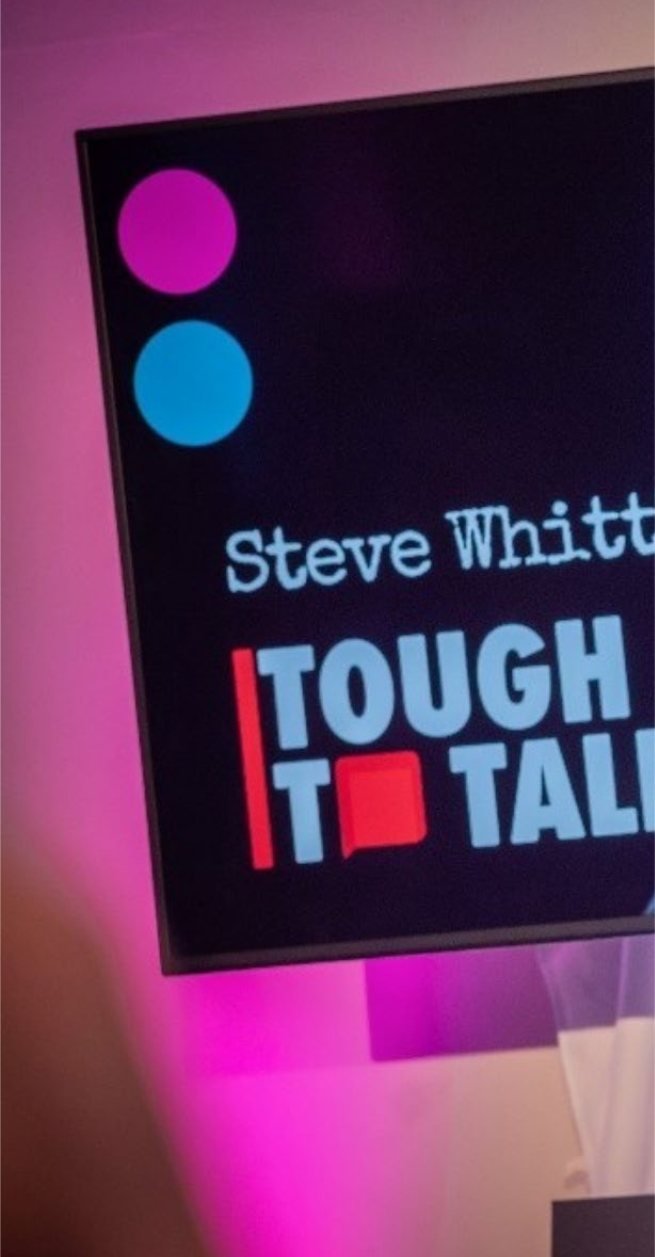
Because posters don’t change culture. Hashtags don’t challenge peer pressure. Editor Claudine Hope spoke to Steve Whittle, founder of Tough To Talk.
Why start Tough To Talk?
“We’ve raised awareness for years. Meanwhile, suicide is still the biggest killer of men under 50 in the UK. That tells me men aren’t broken. Systems are.
“Most men don’t fall apart overnight. They carry stuff quietly for years until one day it tips. By then everyone’s asking ‘why didn’t he say something?’ when the real question is ‘why didn’t anyone make it safe for him to speak?’
“Tough To Talk exists to stop silence turning into suicide. Not in a crisis room, but where men actually live and work.”
Why awareness alone isn’t working
“Men don’t need more permission slips to be emotional. They need environments where talking doesn’t cost them respect, work or identity.”
What Tough To Talk does differently
“We go upstream. We train Tough Talkers inside organisations. Not therapists. Not box-tickers. Influential people on the frontline who men already trust. They spot issues early, start real conversations and log what’s actually happening. That data then shapes training and culture change. It’s proactive, not reactive. And yes, it saves lives.”
Why male-centric workplaces?
Tough To Talk works a lot in construction, manufacturing and uniformed services. “That’s where silence is often rewarded. ‘Crack on.’ ‘Man up.’ ‘Don’t bring problems to work.’ Those environments don’t cause suicide, but they absolutely shape how men cope. Change the culture there and you change outcomes everywhere else.”
“We’re not asking men to be different. We’re asking organisations to stop pretending men don’t struggle.”
“Men should just talk more”
“I say that’s lazy. Men talk when it’s safe. When it won’t be used against them. When someone actually knows what to do with what they say. Telling men to ‘open up’ without changing the culture around them is like telling someone to swim while tying weights to their ankles.”
Saying what charities usually don’t
“Because men are dying and politeness hasn’t helped. I’ll say what the data says, even if it makes people uncomfortable. If a workplace says mental health matters but punishes vulnerability, I’ll call that out. If support only kicks in at crisis point, I’ll say that’s too late. Shock isn’t the goal. Honesty is.”
To men reading this
“If things feel heavy, you’re not weak and you’re not alone. You’re human.”
“If you don’t know where to turn, go to the Tough To Talk support pages. They’re straight-talking, practical and built for men like you. And if you’re coping but see others struggling, tell your boss about what we do. Culture only changes when ordinary men push for it.”
What success looks like
“Fewer crisis calls. Fewer funerals. More men speaking up before things get dark. If one day people say, ‘We don’t need this as much any more,’ that’ll be the win.”
toughtotalk.com · talk@toughtotalk.com
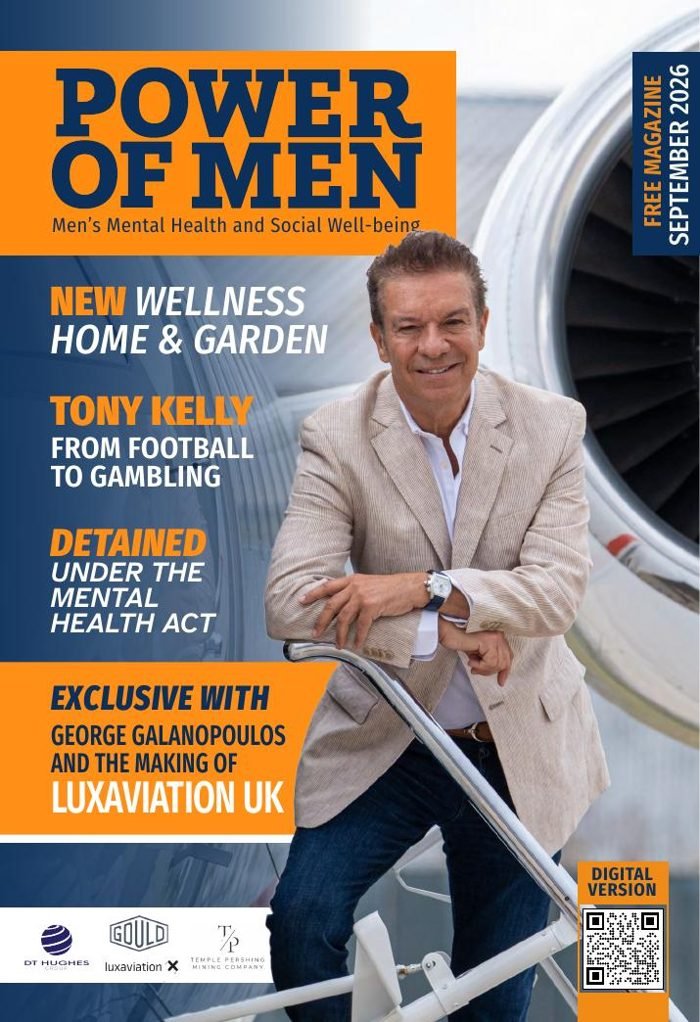
From the February 2026 issue of Power of Men, pages 20 to 21.
Need to talk?
Samaritans: 116 123, free, any time
Text SHOUT to 85258
NHS: 111
Emergency: 999
The Power of Men Advisory Board consists of a multi-disciplinary panel of experts in psychology, physical health, and accessibility design, ensuring every article is grounded in clinical evidence and neuro-inclusive standards. Meet the Advisory Board.
Need to talk?
Samaritans: 116 123, free, any time
Text SHOUT to 85258
NHS: 111
Emergency: 999
Get the monthly briefing