

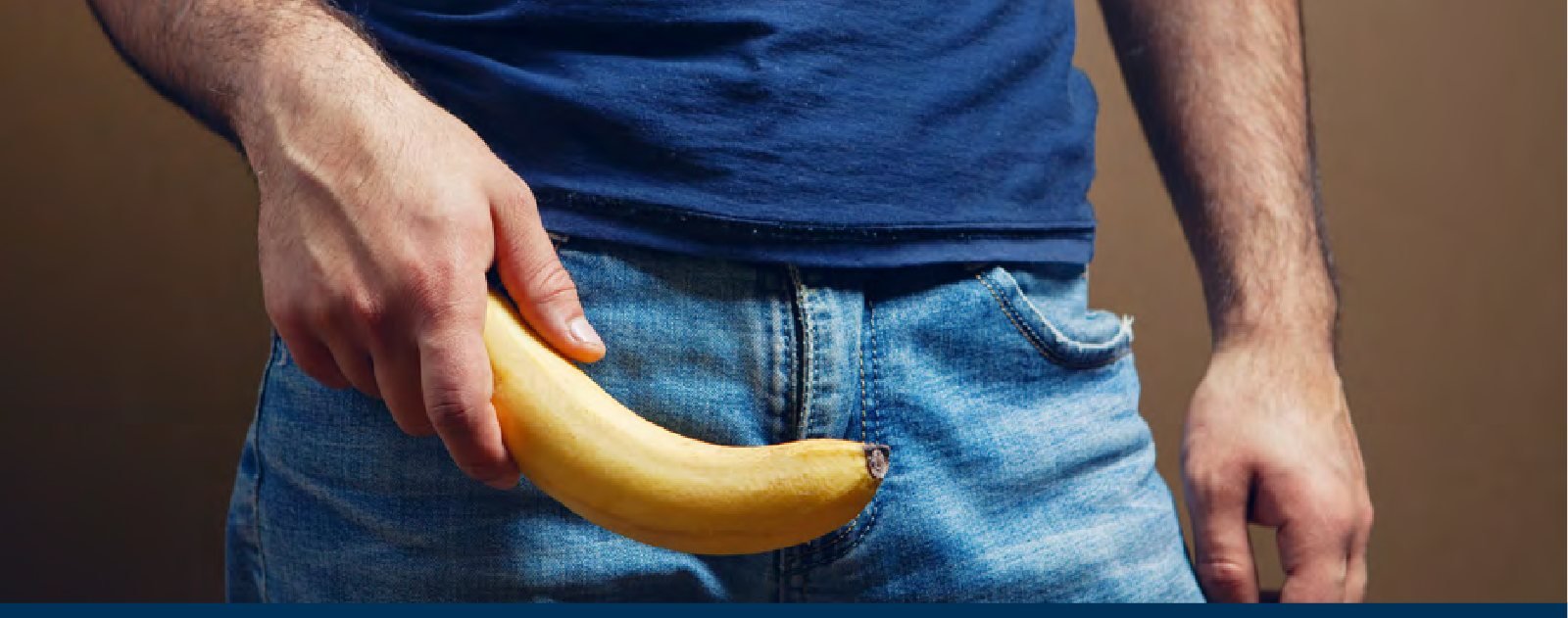
For too long, erectile dysfunction (ED) has been a taboo subject. It’s whispered about in locker rooms or joked about in films, yet it affects millions of men, often in silence.
Studies show over 50% of men aged 40 to 70 will experience ED at some point, and it can happen at any age. Stigma keeps men quiet, but silence can make the problem worse, physically and mentally.
What is ED?
ED is the inability to get or maintain an erection firm enough for sex. It isn’t the same as low sex drive, though the two can be linked. It can be occasional (stress, tiredness, alcohol) or persistent, linked to a treatable medical condition.
Common causes
- poor circulation: erections rely on healthy blood flow;
- diabetes: can damage blood vessels and nerves;
- high blood pressure;
- hormonal imbalance, such as low testosterone;
- anxiety, stress or depression;
- excessive alcohol or drug use;
- smoking: a major risk factor for vascular problems;
- side effects of some medicines.
The mental health connection
ED can hit self-esteem, relationships and mental health. Performance anxiety creates a vicious cycle: the more you worry, the harder it becomes. Some men withdraw from intimacy altogether. Talking about it is the first step to breaking that cycle.
Treatment
ED is highly treatable. Depending on the cause, options include:
- lifestyle changes: quitting smoking, cutting alcohol, losing weight, exercising;
- counselling or therapy for stress, anxiety or relationship issues;
- medication prescribed by a doctor;
- hormone therapy if low testosterone is a factor;
- medical devices or surgery where other treatments haven’t worked.
What you can do now
- See your GP: ED can be an early sign of more serious health issues.
- Open up to your partner: honesty reduces pressure.
- Look after your body: what’s good for your heart is good for your erections.
- Manage stress through mindfulness, exercise or counselling.
Five myths, busted
- “Only older men get ED.” Not true. Stress, lifestyle and health conditions affect younger men too.
- “It’s all in your head.” Psychology can play a role, but many cases are linked to circulation, diabetes or hormones.
- “One failure means you have ED.” Occasional difficulties are normal. ED is diagnosed when the problem is persistent.
- “Medication is the only solution.” Lifestyle change, counselling and treating underlying conditions can be equally effective.
- “Talking about it makes it worse.” Silence fuels anxiety. Open conversation reduces stress and gets you help.
Did you know?
- ED affects over 320 million men worldwide.
- Men with diabetes are up to three times more likely to experience ED.
- Smoking is one of the biggest preventable causes.
ED is not a personal failure. It’s a medical and emotional issue millions of men share. You are not alone, you are not broken, and help is out there.
From the September 2025 issue of Power of Men, pages 58 and 59.
Need to talk?
Samaritans: 116 123, free, any time
Text SHOUT to 85258
NHS: 111
Emergency: 999
The Power of Men Advisory Board consists of a multi-disciplinary panel of experts in psychology, physical health, and accessibility design, ensuring every article is grounded in clinical evidence and neuro-inclusive standards. Meet the Advisory Board.
Need to talk?
Samaritans: 116 123, free, any time
Text SHOUT to 85258
NHS: 111
Emergency: 999

Get the monthly briefing