

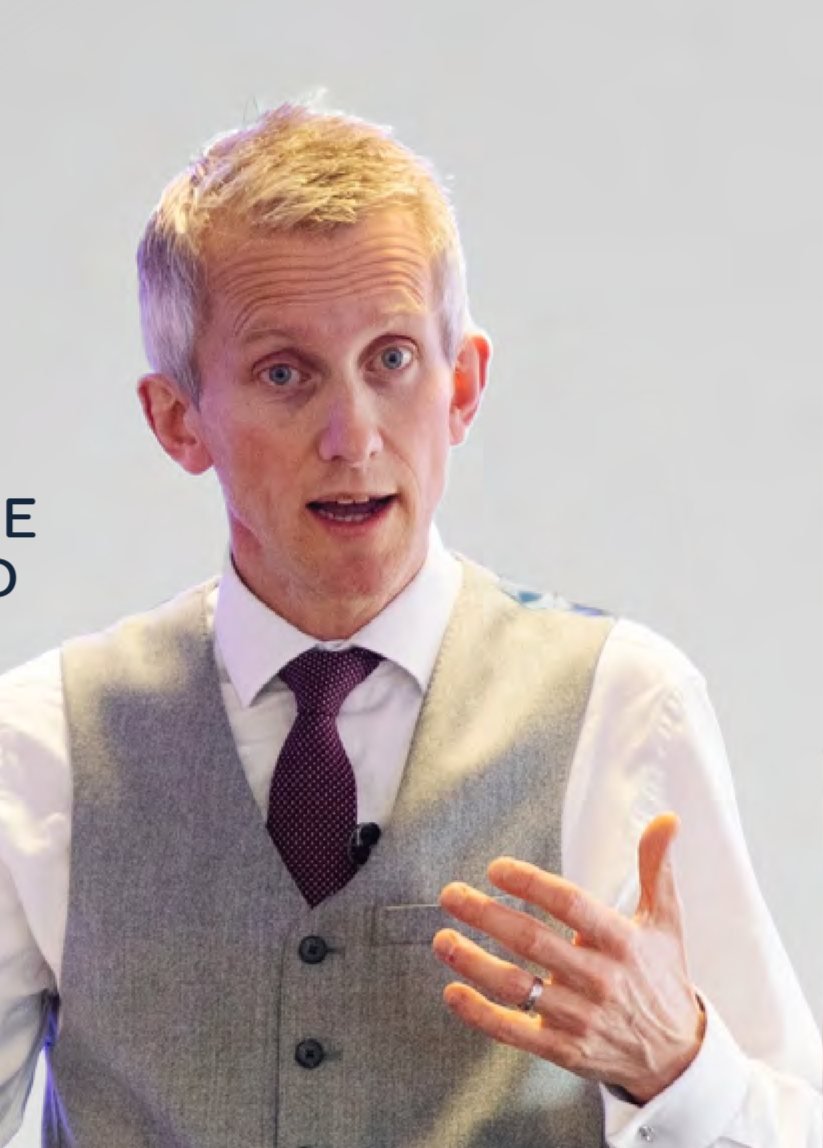
By Andrew Pain, speaker and Power of Men columnist
Andrew Pain is a TEDx and CPD-accredited speaker, podcaster and award-winning campaigner for men and boys. He works on men’s mental health, domestic abuse, wellbeing and burnout with organisations from Specsavers and National Highways to HSBC and the University of Liverpool, helping build workplace cultures rooted in psychological safety.
More common than you think
With over 2 million reported cases of domestic abuse every year in the UK, even if you haven’t been affected yourself, you probably know someone who has. It happens in every kind of relationship, and around one in three victims are men.
As a male survivor of domestic abuse in a former marriage, Andrew knows first-hand how hard it is for a man to recognise what’s happening and then seek help, and how tough it is to rebuild. “The journey out the other side is worth the pain: I’m now blissfully remarried!”
Whether you’re a man or a woman, there are four classic red flags to look out for.
1. Treading on eggshells
If Andrew’s wife today asks, “How do I look?” in a new dress he doesn’t love, he can say so, kindly and without fear. In his former marriage, he would either say it looked amazing regardless, or rapidly work out what she wanted to hear, because getting it wrong meant all hell breaking loose.
That led to obsessive planning: always on edge, never at peace. In a healthy relationship, you should feel comfortable voicing your opinions without fear.
2. Your choices, hobbies, family and friends are criticised and mocked
Andrew’s wife isn’t a football fan, but she fully supports his Friday games and post-match pints. An abusive partner will mock or criticise the things that make you who you are. You stop your hobbies to please them, and then they make you feel inadequate for having none. It’s lose-lose-lose.
They see your old life as a threat because they want to be the all-consuming centre of your world. Over time, family and friends are pushed away.
If someone loves you, they’ll have their own boundaries, but they won’t try to erase your former life.
3. It’s all your fault
Nobody is to blame for everything. If you’re blamed for everything while your partner takes no responsibility, that’s a warning sign. Abusive people lead you to blame yourself for their behaviour:
- “If you hadn’t provoked me, I wouldn’t have got so mad.”
- “If you hadn’t been so immature, I wouldn’t have lost the plot.”
- “Maybe you need counselling to become a better person.”
These narratives make you doubt yourself, so when things go wrong you don’t leave; you just trudge on, trying to improve yourself.
4. Gaslighting
An abuser pours doubt into your mind about what they said, what your family said, what your friends think, and how past events happened. Bit by bit, it wears you down so that you:
- doubt yourself;
- trust your abuser completely;
- dismiss valid concerns as you “overreacting again”.
Raise a reasonable concern, and you walk away apologising for being jealous or “weird”.
If the flags are flying
Seek help outside the relationship. Ask yourself: who do you know and trust to offer wise judgement?
Be ready: once an abusive person senses you’re waking up to reality, their efforts to keep control often go into overdrive. Behaviour may get worse, or there may be a flood of apologies and promises to change.
“There are three certainties in life: death, taxes, and abusive people don’t change.”
From the September 2025 issue of Power of Men, pages 42 to 45.
Need to talk?
Samaritans: 116 123, free, any time
Text SHOUT to 85258
NHS: 111
Emergency: 999
The Power of Men Advisory Board consists of a multi-disciplinary panel of experts in psychology, physical health, and accessibility design, ensuring every article is grounded in clinical evidence and neuro-inclusive standards. Meet the Advisory Board.
Need to talk?
Samaritans: 116 123, free, any time
Text SHOUT to 85258
NHS: 111
Emergency: 999

Get the monthly briefing