

Social media feeds overflow with “New Year, New Me” transformations, extreme challenges and miracle shortcuts. For young men already struggling with confidence and identity, this noise often fuels insecurity rather than motivation. While attention usually lands on toxic influencers, the deeper issue is online fitness culture and how it shapes body image, self-worth and expectations of health.
Even after decades in health and wellbeing, separating real science from “bro science” can be difficult. If it’s confusing at 52, imagine being 16.
The “perfect” body
Young men are surrounded by shredded physiques and permanent six-packs: bodies that are often genetically rare, chemically enhanced or digitally edited, yet presented as normal. The message is subtle but powerful: this is what a man should look like. For developing boys, the comparison can be brutal. Confidence drops, anxiety rises, and for some the pursuit becomes relentless.
Training without a brake pedal
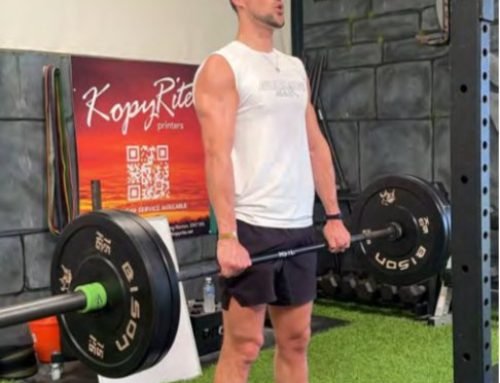
Social media promotes punishing workouts, double sessions and advanced methods sold to beginners. Young men feel pressure to go harder and ignore fatigue, often without coaching or recovery. The result: injuries, burnout and a warped idea of fitness. Progress takes time. Rest isn’t weakness; it’s part of the process.
You are what you eat… or are you?
Nutrition online has become extreme: carnivore, no carbs, detoxes, fasting, “anabolic” meal plans. What’s missing is context, balance and individual needs. Copying rigid diets without guidance risks nutrient deficiencies, hormone disruption, low energy and early signs of disordered eating. Real health comes from consistency, variety and understanding your own body.
Steroids and PEDs
One of the most worrying trends is the normalisation of performance-enhancing drugs. Many influencers hide steroid use, creating the illusion that extreme physiques are natural. Steroids don’t just build muscle; they can cause heart damage, infertility, liver disease, hormonal disruption, aggression and long-term mental health problems. For developing bodies, the risks are even greater.
The mental health cost
Muscle dysmorphia, the feeling of never being “big enough”, is rising rapidly. When identity becomes tied to appearance, anxiety, depression, obsession and isolation can follow. Fitness should build confidence, not destroy it.
Parents matter more than algorithms
- Talk openly about the fitness content your son watches.
- Watch for warning signs: extreme dieting, obsessive training, secrecy, rapid changes.
- Encourage balance, rest and self-worth beyond appearance.
- Remind boys that insecurity is normal, and talking about it is strength.
Real fitness builds bodies. Healthy fitness builds lives. And young men deserve both.
Richard Pomfrett is a Power of Men columnist. boyz-2-men.org.uk
From the February 2026 issue of Power of Men, pages 58 to 59.
Need to talk?
Samaritans: 116 123, free, any time
Text SHOUT to 85258
NHS: 111
Emergency: 999
The Power of Men Advisory Board consists of a multi-disciplinary panel of experts in psychology, physical health, and accessibility design, ensuring every article is grounded in clinical evidence and neuro-inclusive standards. Meet the Advisory Board.
Need to talk?
Samaritans: 116 123, free, any time
Text SHOUT to 85258
NHS: 111
Emergency: 999
Get the monthly briefing