The dangerous rise of “looksmaxxing” and “mogging” among boys and young men
Boyz-2-Men on an online trend pushing boys towards steroids, extreme dieting and even striking their own faces, and how to steer conversations back to health and self-worth.

By Power of Men editorial team

At Boyz-2-Men, conversations about body image and self-esteem have become increasingly common. Boys regularly talk about insecurities around their height, weight, muscles, skin, hair and appearance. But a worrying online trend is taking these concerns to dangerous extremes: “looksmaxxing” and “mogging”.
What is looksmaxxing?
Popularised by influencers and online personalities, looksmaxxing encourages boys to chase an unrealistic version of the “perfect” male appearance. Some aspects, such as exercising, grooming and looking after your health, can be positive. But the trend quickly moves into dangerous territory.
Boyz-2-Men is hearing boys discuss harmful advice found online, including:
- striking their cheekbones to alter their jawline;
- misusing steroids;
- extreme dieting;
- even using Class A drugs such as methamphetamine to lose weight or look more muscular.
What is mogging?
Alongside this is the rise of “mogging”: the idea of proving you’re superior to another male based solely on appearance, height or physique. Boys are encouraged to constantly compare themselves, believing their value depends on how they measure up.
Why it’s so harmful
Adolescence is naturally a time of comparison, but social media magnifies those insecurities. Edited images and genetically exceptional physiques are presented as normal, creating impossible standards.
The greatest concern is that many of the traits being judged, such as height, facial structure and body shape, are largely determined by genetics. Exercise and healthy habits can improve wellbeing, but nobody can change their natural bone structure or DNA.
When boys believe their future happiness or relationships depend entirely on their appearance, it can lead to anxiety, depression, low self-esteem, social withdrawal and body dysmorphia.
A better conversation
There is nothing wrong with encouraging boys to take care of themselves. But those conversations should be built on health, confidence and self-worth, not shame, comparison or unrealistic expectations.
If a young person is struggling, Childline is free on 0800 1111 for anyone under 19, and PAPYRUS HOPELineUK is on 0800 068 4141 for under-35s.
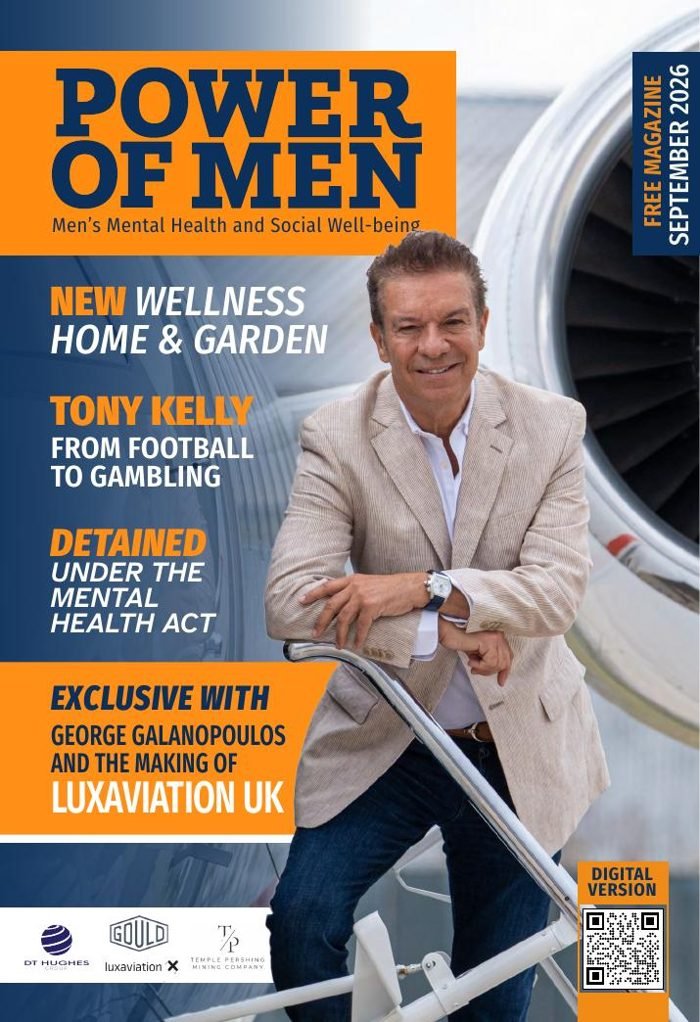
From the September 2026 issue of Power of Men, page 64.
Need to talk?
Samaritans: 116 123, free, any time
Text SHOUT to 85258
NHS: 111
Emergency: 999
The Power of Men Advisory Board consists of a multi-disciplinary panel of experts in psychology, physical health, and accessibility design, ensuring every article is grounded in clinical evidence and neuro-inclusive standards. Meet the Advisory Board.
Need to talk?
Samaritans: 116 123, free, any time
Text SHOUT to 85258
NHS: 111
Emergency: 999
Get the monthly briefing